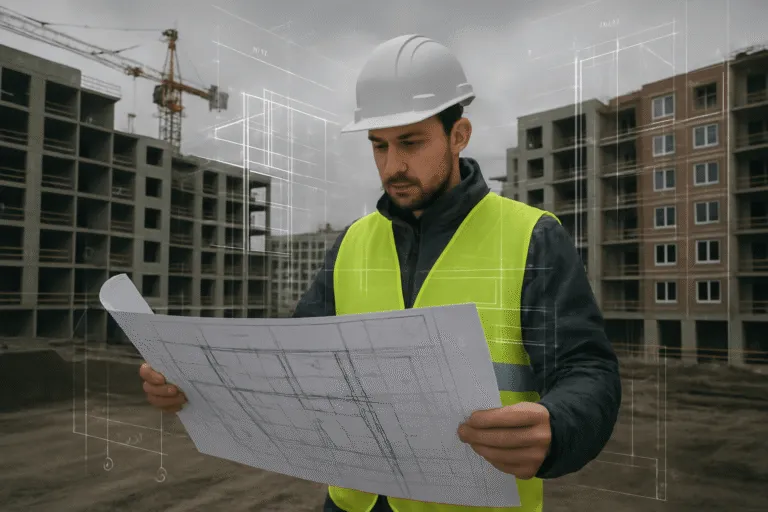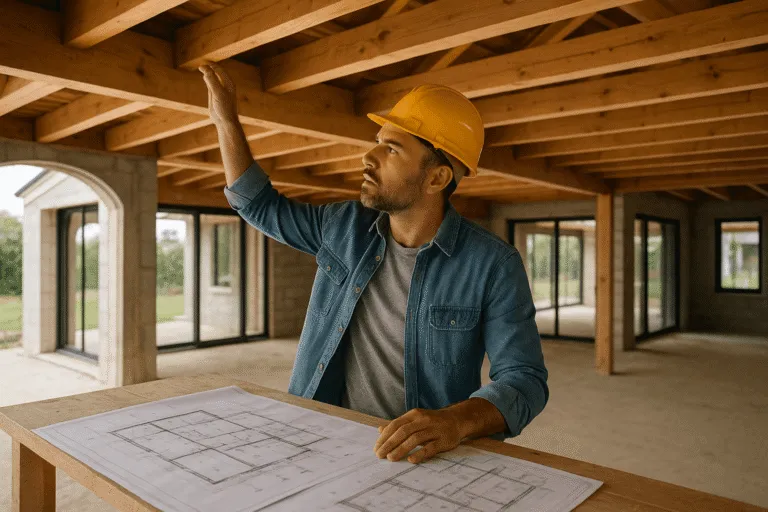

Civil engineering and real estate may seem like separate worlds, but they’re deeply connected. Civil engineers bring a technical lens to property development, ensuring safety, sustainability, and functionality. In this blog, we’ll explore the role of civil engineering in real estate, and how experts like Ali Shariat use their engineering background to elevate the real estate experience for buyers, sellers, and investors.
Jump To:
TLDR – Quick Guide
- What Is the Role of Civil Engineering in Real Estate? Ensures structural integrity, optimal land use, and sustainable development.
- Why It Matters: Civil engineering expertise adds value to property evaluations, renovations, and development projects.
- How Experts Like Ali Shariat Help: Combines real estate knowledge with engineering insights to guide clients toward smarter investments.
Detailed Breakdown
1. What Is Civil Engineering’s Role in Real Estate?
Civil engineering focuses on the planning, design, and construction of infrastructure and buildings. In real estate, this expertise is applied to evaluate a property’s structural integrity, ensure land-use compliance, and optimize developments.
- Key Contributions:
- Assessing land for development potential.
- Identifying structural risks in fixer-uppers.
- Ensuring compliance with zoning and environmental regulations.
2. How Civil Engineering Impacts Property Development
Civil engineering shapes every stage of property development, from site selection to construction. Whether it’s analyzing soil stability for a new home or designing drainage systems for a neighborhood, civil engineers play a critical role.
For Developers:
- Design efficient layouts for residential and commercial projects.
- Ensure projects meet safety codes and regulations.
For Homeowners and Investors:
- Assess property conditions during renovations.
- Identify potential risks, saving time and money.
3. Civil Engineering in Renovations and Flipping
For investors flipping properties, civil engineering knowledge is invaluable. Professionals like Ali Shariat can:
- Spot Structural Issues: Ensure renovations are safe and compliant.
- Optimize Space: Suggest layout changes for modern, open designs.
- Guide ROI-Driven Decisions: Prioritize renovations that add value without overcapitalizing.
4. Sustainability: Building a Greener Future
Civil engineering in real estate also focuses on sustainable practices. By designing energy-efficient buildings and incorporating green technologies, civil engineers help reduce environmental impact while boosting property appeal.
- Sustainable Solutions Include:
- Solar panel integration.
- Smart water and energy systems.
- Eco-friendly building materials.
5. The Unique Perspective of Civil Engineer Realtors
Realtors like Ali Shariat, who combine real estate expertise with a civil engineering background, provide clients with a unique advantage.
- What Sets Them Apart:
- In-depth understanding of structural and environmental factors.
- Ability to identify hidden value or risks in properties.
- Expert guidance on maximizing property potential.
Structural Signs a Buyer Can Notice
You do not need an engineering degree to notice things worth asking about. You do need to know that a sign is a reason to ask a professional, not a diagnosis. Many cracks and slopes are harmless, and some are not, and you cannot tell which from a photo or a quick walkthrough.
- Cracks: Note where they are, how wide, and whether they run diagonally from door and window corners, step along block or brick, or look new. Ask whether they have been patched or painted over.
- Floors and doors: Sloping floors, doors and windows that stick or no longer close, and gaps between walls and ceilings are worth pointing out to your inspector.
- Water near the foundation: Look for pooling, downspouts that dump next to the house, soil that slopes toward the walls, damp crawl spaces, and white mineral staining on concrete.
- Retaining walls and slopes: Leaning, bulging, or cracked walls, and soil that has slid or eroded, deserve a closer look.
- Additions and remodels: Ask whether walls were removed or moved, and whether permits were pulled. Whether a wall carries load is a question for a licensed professional, not a guess.
When to Bring In a Licensed Engineer
A general home inspector looks at the whole house and flags what needs more attention. If the report mentions foundation movement, a failing retaining wall, hillside or slope concerns, or a major remodel of structural elements, ask the inspector who should evaluate it. That is often a licensed structural or geotechnical engineer, who can examine the specific property and give a written opinion.
Before you hire anyone, ask what the scope is, what the report will include, and whether it will estimate the cost to repair. Then ask whether repairs need permits. Use that information in your negotiation or to decide to walk away, and keep it inside your inspection contingency period. Our guides on contingencies buyers should keep and the inspection checklist before closing show how this fits into the deal.
What Ali Does and Does Not Do
Ali Shariat is a Realtor and a licensed loan officer with a civil engineering background. That background shapes the questions he asks, how he reads inspection and disclosure reports, and how he thinks about repair costs and risk. It is not a substitute for a licensed inspector or engineer evaluating a specific property, and nothing in this post is engineering advice or a guarantee about any home.
What he can do is help you build a list of questions, line up the right professionals, read their reports with you, and weigh the results against the price and your financing. Read about the most common inspection issues, the hazards inspectors find in California, and the warning signs in seller disclosures.
Key Takeaways
- Civil Engineering Enhances Real Estate: From site analysis to renovations, civil engineering ensures properties are safe, efficient, and valuable.
- Expert Insight Matters: Professionals like Ali Shariat bring unparalleled expertise, helping clients avoid costly mistakes and maximize ROI.
- Sustainability Is the Future: Green practices in real estate add value and appeal while benefiting the environment.
Ready to elevate your real estate journey? Contact Ali Shariat today for expert advice on leveraging civil engineering insights for smarter property decisions.
FAQs
1. What is the relationship between civil engineering and real estate?
Civil engineering ensures that properties are safe, functional, and sustainable. In real estate, it helps with evaluating structural integrity, land use, and potential development.
2. How can civil engineering benefit homebuyers?
Civil engineers can identify structural issues, assess potential renovation costs, and ensure a home meets safety standards, providing peace of mind to buyers.
3. Is civil engineering important in property flipping?
Yes! Civil engineers can spot issues that may affect profitability and recommend renovations that add the most value to a property.
4. What sustainable practices are common in real estate today?
Green building materials, energy-efficient systems, and water-saving technologies are popular sustainable solutions integrated into modern properties.
5. Why is working with a civil engineer realtor like Ali Shariat beneficial?
Ali Shariat offers a dual perspective, combining technical expertise with real estate market knowledge to guide clients toward smarter, safer investments.
What structural signs should I ask an inspector about?
Point out cracks, sloping floors, sticking doors and windows, water pooling near the foundation, and leaning or cracked retaining walls. These are reasons to ask a professional to look, not proof of a problem.
Does Ali give engineering advice on a home I am buying?
No. Ali’s engineering background helps him ask better questions and read reports, but a licensed inspector or engineer needs to evaluate the specific property.
Browse all the areas Ali serves in our Southern California city guides. Have a question about your own situation? Talk with Ali, a Realtor and licensed loan officer, or call (949) 818-1000.