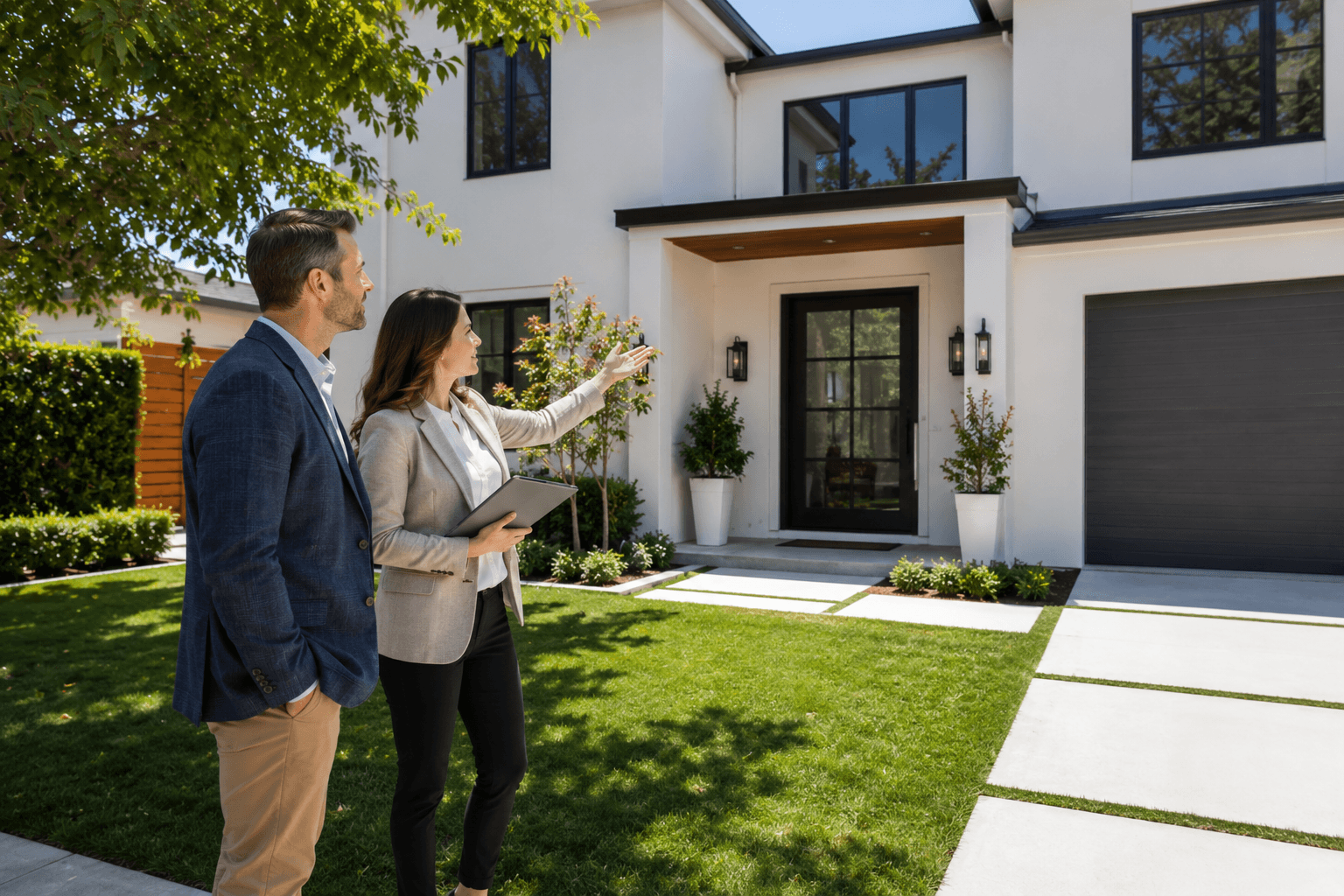
Buying a home is one of the biggest financial commitments you’ll ever make, and the home inspection is one of the most important opportunities to protect that investment. While a property may look perfect during a showing, hidden issues can exist behind the walls, under the roof, or beneath the foundation.
A thorough home inspection checklist helps buyers identify potential problems before closing, understand future maintenance needs, and decide whether to move forward, negotiate repairs, or reconsider the purchase altogether. An inspection isn’t about finding a flawless home—it’s about understanding the property’s condition so there are no unexpected surprises after you receive the keys.
Knowing what to look for during a home inspection can also help you ask better questions, prioritize important repairs, and make more confident buying decisions.
Ali Shariat helps buyers navigate every stage of the purchasing process, ensuring they understand inspection reports and make informed decisions before closing.
Jump to:
- TLDR – Quick Guide
- Why a Home Inspection Matters
- Exterior Inspection Checklist
- Interior Inspection Checklist
- Plumbing System Checklist
- Electrical System Checklist
- HVAC System Checklist
- Kitchen and Bathroom Inspection
- Safety Features to Verify
- What Happens After the Inspection?
- Should Buyers Ask for Repairs?
- Preparing for Closing With Confidence
- Key Takeaways
- FAQs
TLDR – Quick Guide
- A home inspection helps identify issues before closing.
- Buyers should pay close attention to structural components, roofing, plumbing, electrical systems, and HVAC.
- Cosmetic issues are usually less important than major safety or structural concerns.
- Inspection reports can lead to negotiations for repairs or seller credits.
- Not every issue should stop a purchase, but every issue should be understood before closing.
- A detailed inspection protects both your investment and your peace of mind.
Why a Home Inspection Matters
A home inspection provides an independent evaluation of a property’s condition before the sale is finalized. While sellers are generally required to disclose known defects, an inspection may uncover problems that neither party was aware of.
More importantly, an inspection gives buyers the opportunity to understand the home’s current condition, estimate future maintenance costs, and determine whether the agreed purchase price still makes sense.
The inspection report can also become an important negotiating tool if significant repairs are needed before closing.
Although no home is perfect, understanding its strengths and weaknesses allows buyers to move forward with realistic expectations.
Exterior Inspection Checklist
The inspection begins long before stepping inside the home.
The exterior often reveals signs of larger issues that may affect the property’s long-term condition.
Roof
A damaged roof can become one of the most expensive repairs a homeowner faces.
Inspectors typically look for:
- Missing or damaged shingles
- Sagging rooflines
- Signs of leaks
- Flashing problems
- Poor drainage
- Estimated remaining roof life
Even if the roof isn’t currently leaking, understanding its condition helps buyers prepare for future replacement costs.
Foundation
Foundation issues can affect the structural integrity of the entire home.
Warning signs include:
- Large foundation cracks
- Uneven floors
- Doors or windows that don’t close properly
- Visible settling
- Separation around exterior walls
Minor cracks are often normal, but larger structural concerns deserve further evaluation.
Drainage and Grading
Poor drainage can lead to water intrusion and foundation damage over time.
Inspectors evaluate:
- Yard grading
- Downspouts
- Gutters
- Drainage away from the home
Water should always flow away from the foundation rather than collecting around it.
Interior Inspection Checklist
The home’s interior provides valuable insight into both visible and hidden maintenance concerns.
Walls, Ceilings, and Floors
Inspectors check for signs of:
- Water stains
- Cracks
- Uneven flooring
- Mold
- Structural movement
Some cosmetic imperfections are expected, especially in older homes, but larger patterns may indicate underlying structural or moisture issues.
Doors and Windows
Properly functioning doors and windows contribute to both safety and energy efficiency.
Inspectors evaluate:
- Smooth operation
- Proper sealing
- Broken glass
- Frame damage
- Signs of water intrusion
Replacing windows can be costly, so understanding their condition is important before closing.
Plumbing System Checklist
Plumbing issues range from minor leaks to expensive repairs hidden behind walls.
During the inspection, buyers should pay attention to:
- Water pressure
- Drainage speed
- Pipe condition
- Water heater age
- Visible leaks
- Signs of corrosion
Even small plumbing concerns can become larger problems if left unaddressed.
Understanding the age of major plumbing components also helps buyers prepare for future maintenance expenses.
Electrical System Checklist
Electrical safety is one of the most important aspects of any inspection.
Inspectors generally evaluate:
- Electrical panels
- Wiring condition
- Grounding
- GFCI outlets
- Circuit breakers
- Visible safety hazards
Older homes may require electrical updates to meet modern safety standards.
If significant electrical concerns are identified, buyers should discuss repair options before closing.
HVAC System Checklist
Heating and cooling systems are major investments.
An inspection typically includes:
- Furnace operation
- Air conditioning performance
- Airflow
- Filter condition
- Thermostat operation
- Approximate system age
Even if the HVAC system is currently functioning, older equipment may require replacement sooner than expected.
Knowing its condition helps buyers budget appropriately after moving in.
Kitchen and Bathroom Inspection
Kitchens and bathrooms contain many systems that should be evaluated carefully.
Inspectors look for:
- Cabinet damage
- Sink leaks
- Appliance operation
- Ventilation
- Caulking condition
- Water damage around fixtures
Because these rooms combine plumbing, electrical systems, and moisture exposure, they often reveal maintenance concerns that deserve attention.
Safety Features to Verify
Every buyer should ensure the home includes appropriate safety features.
These may include:
- Smoke detectors
- Carbon monoxide detectors
- Secure stair railings
- Functional locks
- Safe electrical outlets
- Proper ventilation
Safety issues should generally receive higher priority than cosmetic improvements.
What Happens After the Inspection?
Receiving the inspection report doesn’t necessarily mean the transaction is in jeopardy.
Instead, buyers should carefully review the findings and separate:
- Minor maintenance items
- Routine repairs
- Significant defects
- Safety concerns
- Major structural issues
Many inspection reports include dozens of observations, but not every item requires immediate action.
The goal is to understand which issues meaningfully affect the home’s value, safety, or long-term maintenance costs.
For additional educational articles about buying, financing, and homeownership, visit our Resources page.
Should Buyers Ask for Repairs?
Whether to request repairs depends on the severity of the inspection findings.
Buyers often negotiate when inspections reveal:
- Safety hazards
- Structural concerns
- Major mechanical failures
- Roof damage
- Plumbing leaks
- Electrical issues
For smaller cosmetic items, buyers may decide it’s easier to address them after closing.
Every negotiation should focus on issues that materially affect the property’s condition or value.
Preparing for Closing With Confidence
A home inspection is one of the best tools buyers have for reducing uncertainty.
Rather than viewing the inspection as a reason to cancel a purchase, think of it as an opportunity to understand exactly what you’re buying.
A well-informed buyer is better prepared to negotiate, budget for future maintenance, and enjoy homeownership with fewer surprises.
If you have questions about an inspection report or need guidance before closing, contact our team for personalized advice.
You can also browse available homes through our Search Properties page when you’re ready to continue your home search.
Key Takeaways
- A home inspection helps buyers understand a property’s true condition before closing.
- Structural systems, roofing, plumbing, electrical, and HVAC deserve the closest attention.
- Cosmetic issues are generally less important than safety or structural concerns.
- Inspection reports often provide opportunities to negotiate repairs or seller concessions.
- Every buyer should carefully review the report before removing contingencies.
- Understanding the home’s condition today helps prevent expensive surprises after closing.
FAQs
What is included in a home inspection checklist?
A home inspection checklist covers the property’s major systems and structural components, including the roof, foundation, plumbing, electrical system, HVAC equipment, windows, doors, and interior and exterior condition. Inspectors also look for signs of water damage, safety hazards, and deferred maintenance. The goal is to provide buyers with a comprehensive understanding of the home’s overall condition before closing.
Should I attend the home inspection?
Yes, whenever possible. Attending the inspection gives buyers the opportunity to ask questions, better understand the home’s systems, and see potential issues firsthand. While the written report is valuable, walking through the property with the inspector often provides additional context that photographs alone cannot capture.
Can I back out of a home purchase after the inspection?
If your purchase agreement includes a home inspection contingency, you may be able to cancel the contract if significant issues are discovered. You may also have the option to negotiate repairs, request seller credits, or ask for a price reduction before deciding whether to proceed. The specific rights available depend on the terms of your purchase agreement.
What problems should concern buyers the most?
Major structural defects, foundation issues, roof damage, significant plumbing leaks, electrical hazards, mold, and HVAC failures are among the most serious concerns identified during inspections. These issues can involve substantial repair costs and may affect the home’s safety or long-term value. Buyers should carefully evaluate these findings before moving forward.
Does a home inspection guarantee there won’t be future repairs?
No. A home inspection provides a snapshot of the property’s condition at the time of the inspection, but it cannot predict future problems or identify every hidden issue. Regular maintenance will always be part of homeownership, even for well-maintained properties. However, a professional inspection greatly reduces the likelihood of unexpected surprises immediately after closing.