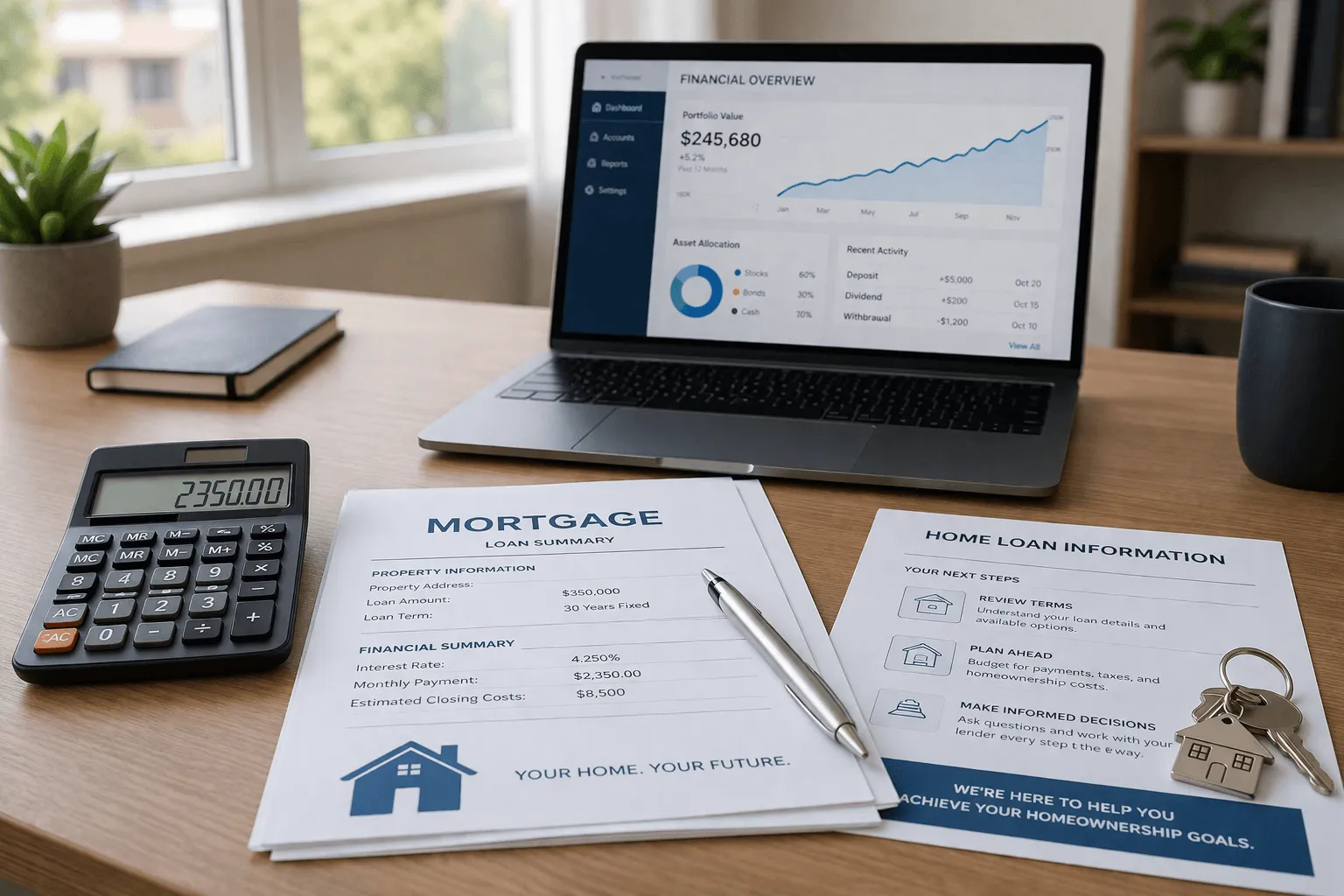

Mortgage rates might look like just a percentage—but they quietly control almost everything about your home purchase. From how much house you can afford to what you’ll pay every month, the mortgage rates impact is massive.
Even a small rate change—like 1%—can shift your buying power by tens of thousands of dollars. That’s why understanding how rates work isn’t just helpful—it’s essential if you want to make a smart buying decision.
Jump to:
TLDR – Quick Guide
- Higher rates = lower buying power and higher monthly payments
- Lower rates = more affordability but often more competition
- A 1% rate change can significantly affect your budget
- Monthly payments are heavily influenced by interest rates over time
- Working with the right lender can help you secure better terms — explore options like Loan Factory
What Mortgage Rates Actually Do
Mortgage rates determine how much interest you pay on your loan over time. But more importantly, they directly affect:
- Your monthly mortgage payment
- Your loan approval amount
- Your total cost over 30 years
Think of mortgage rates as the “price of borrowing money.” The higher the rate, the more expensive your loan becomes.
How Mortgage Rates Impact Buying Power
The Real Math Behind Affordability
Let’s break it down simply:
- At 5% interest, you might afford a $700,000 home
- At 7% interest, that same budget might only qualify for ~$600,000
That’s a $100,000 difference—just from a rate change.
Why? Because lenders calculate affordability based on your monthly payment, not the home price itself.
Why This Matters in Competitive Markets
In markets like California, where prices are already high, mortgage rates can determine whether you:
- Qualify for your ideal home
- Need to adjust your expectations
- Compete effectively with other buyers
Higher rates often reduce competition—but also reduce what buyers can afford.
How Mortgage Rates Affect Monthly Payments
Small Rate Changes = Big Payment Differences
Here’s a simple example:
| Loan Amount | Rate | Monthly Payment |
| $600,000 | 5% | ~$3,220 |
| $600,000 | 7% | ~$3,990 |
That’s a difference of ~$770 per month.
Over time, that adds up to hundreds of thousands of dollars in total interest.
Long-Term Cost Impact
Over a 30-year loan:
- Lower rates save you massive amounts in interest
- Higher rates increase your total cost of ownership
This is why timing—and strategy—matters when entering the market.
The Strategy Smart Buyers Use
Here’s where most people get it wrong:
They wait for rates to drop.
But experienced buyers? They focus on control, not prediction.
Strategy #1: Buy Now, Refinance Later
If rates drop in the future, you can refinance and lower your payment. But if prices rise while you wait, you can’t undo a higher purchase price.
Strategy #2: Negotiate More in High-Rate Markets
When rates are high:
- Fewer buyers are competing
- Sellers are more flexible
- You may secure better deals
Strategy #3: Work With the Right Loan Expert
Getting the best rate isn’t just about timing—it’s about who you work with. Exploring options through experienced lenders like Loan Factory’s mortgage services can make a meaningful difference in your loan terms.
Where Mortgage Timing Meets the Buying Process
Mortgage rates don’t operate in isolation—they affect every step of your purchase.
From pre-approval to underwriting, your rate influences:
- Loan approval amounts
- Debt-to-income ratios
- Final closing costs
To see how rates fit into the full process, review the mortgage process timeline and understand where timing matters most.
When Higher Rates Can Actually Help You
This might sound counterintuitive, but higher rates can create opportunity.
Less Competition
Fewer buyers means:
- Less bidding pressure
- More negotiation room
- Better purchase terms
Better Entry Points
You may be able to buy at a lower price now—and refinance later.
In many cases, this combination leads to a stronger long-term investment.
Key Takeaways
- Mortgage rates directly impact both your buying power and monthly payments.
- Even small rate increases can significantly reduce affordability.
- Higher rates don’t always mean worse deals—they often reduce competition.
- Smart buyers focus on strategy, not trying to perfectly time rates.
- Working with experienced lenders and understanding the full mortgage process can improve outcomes.
FAQs
How much do mortgage rates affect buying power?
Even a 1% increase in rates can reduce your buying power by tens of thousands of dollars because it raises your monthly payment.
Should I wait for mortgage rates to drop before buying?
Not necessarily. Waiting can lead to higher home prices and more competition. Many buyers choose to buy now and refinance later.
How do mortgage rates impact monthly payments?
Higher rates increase your monthly payment because more interest is added to your loan. Lower rates reduce monthly costs.
Can I lower my mortgage rate after buying?
Yes. Refinancing allows homeowners to secure a lower rate if market conditions improve.
What’s the best way to get a good mortgage rate?
Work with experienced lenders, maintain strong credit, and compare loan options to secure the best terms available.