
Introduction
Buying a home? Congratulations! But before you sign on the dotted line and pop the champagne, remember: that dream house could be hiding some not-so-dreamy structural issues. Hidden structural problems are the silent deal-breakers—costly, dangerous, and almost always invisible to the untrained eye. In this deep dive, we’ll walk you through the telltale signs, common pitfalls, and must-ask questions to ensure you invest wisely and sleep soundly in your new abode.
Jump to:
TLDR – Quick Guide
- Look beyond the paint: Cosmetic fixes can hide serious problems.
- Inspect key areas: Foundations, walls, roofs, and basements often conceal the biggest risks.
- Bring in professionals: A trained structural engineer sees what others miss.
- Watch for water damage: Moisture is the arch-nemesis of home stability.
- Ask the right questions: Your due diligence now saves your wallet (and sanity) later.
Detailed Breakdown
What Are Hidden Structural Issues?
Hidden structural issues are the defects or weaknesses lurking beneath the surface of a home—think foundation cracks, sagging beams, termite damage, or moisture intrusion. They’re not just unsightly; they threaten the integrity, safety, and value of your investment. The real headache? They often go unnoticed during routine inspections.
Common Hidden Structural Issues Before You Buy a Home
- Foundation Cracks or Shifts
- Horizontal or stair-step cracks in the basement or crawl space can mean foundation settlement or movement.
- Horizontal or stair-step cracks in the basement or crawl space can mean foundation settlement or movement.
- Sagging or Uneven Floors
- Sloping floors often point to problems with support beams or joists.
- Sloping floors often point to problems with support beams or joists.
- Wall and Ceiling Cracks
- Diagonal cracks around doors and windows may reveal shifting or settling.
- Diagonal cracks around doors and windows may reveal shifting or settling.
- Roof Problems
- Bowed or uneven roof lines suggest compromised trusses or rafters.
- Bowed or uneven roof lines suggest compromised trusses or rafters.
- Water Damage and Mold
- Stains, odors, or bubbling paint indicate chronic leaks—a fast track to rot and structural decay.
- Stains, odors, or bubbling paint indicate chronic leaks—a fast track to rot and structural decay.
- Termite or Pest Damage
- Invasive pests love to snack on wooden framing, leaving it hollow and weak.
- Invasive pests love to snack on wooden framing, leaving it hollow and weak.
The Engineer’s Checklist: How to Spot Trouble
1. Start with the Foundation
- Check exterior and interior for cracks, bulges, or moisture.
- Large, horizontal cracks or gaps wider than 1/4 inch are red flags.
2. Inspect Load-Bearing Walls
- Look for cracks, bowing, or misaligned door frames.
- Push on suspect walls—give isn’t a good sign!
3. Examine Floors and Ceilings
- Use a marble or ball to see if floors slope.
- Cracks or sags often reveal deeper support issues.
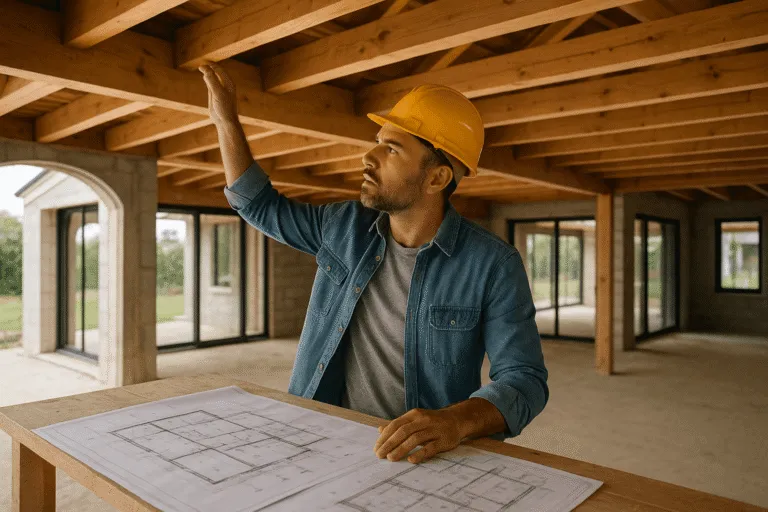
4. Head Up to the Attic and Roof
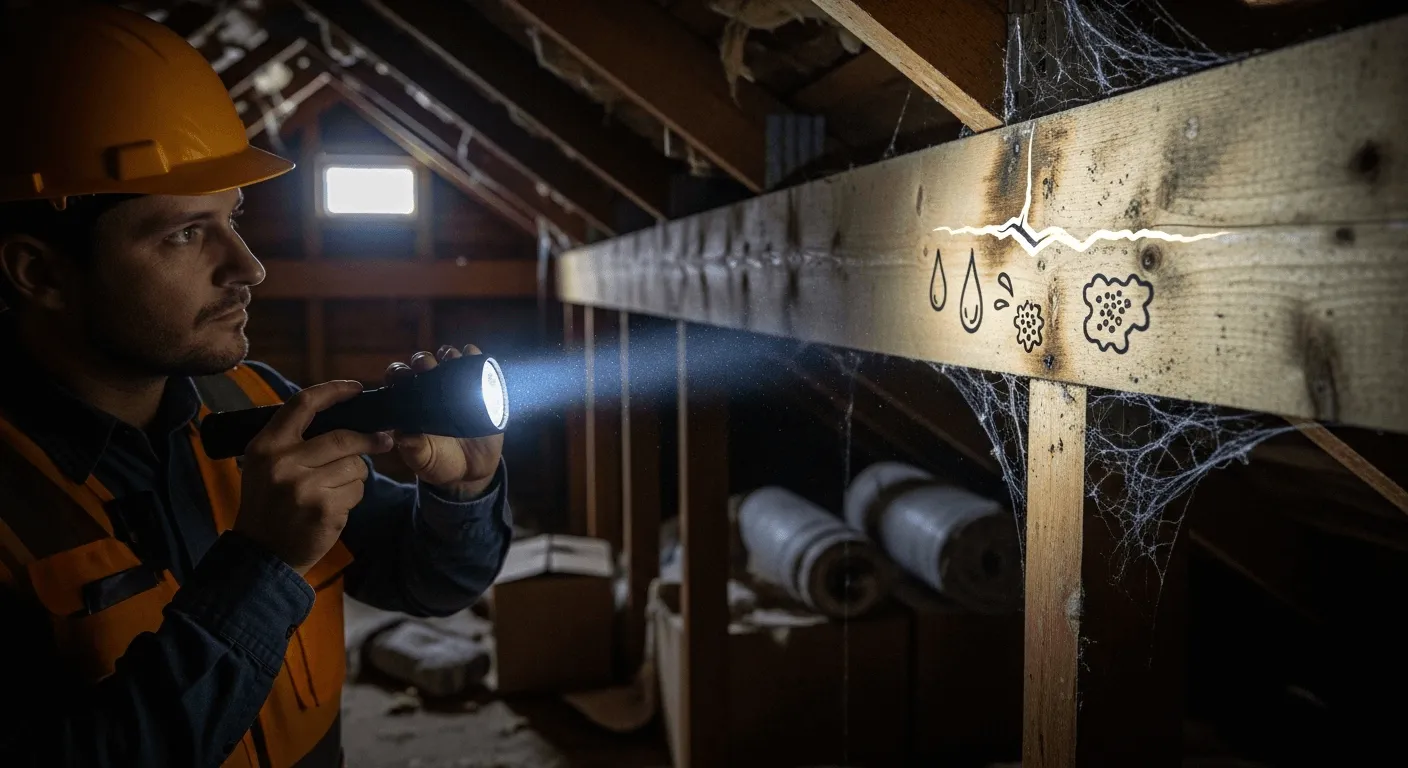
- Inspect for daylight shining through, water stains, or sagging.
- Wavy rooflines or missing supports mean structural risks.
5. Don’t Forget Basements and Crawl Spaces
- Dampness, mold, efflorescence (white powdery residue) signal ongoing water intrusion.
- Musty smells aren’t just unpleasant—they’re a warning sign.
6. Check for Unusual Repairs or Add-Ons
- Shoddy patches or makeshift reinforcements can hide, not fix, bigger problems.
- DIY “fixes” are a favorite trick for hiding structural issues before you buy a home.
The Power of a Professional Structural Inspection
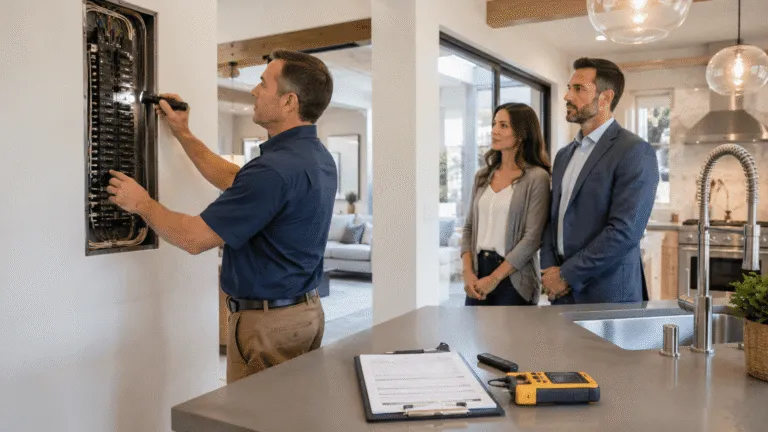
Hiring a certified structural engineer is the single best move to uncover hidden issues before you commit. Unlike standard home inspectors, structural engineers use specialized tools and advanced know-how to:
- Evaluate the integrity of foundations and framing
- Diagnose cracks, movement, and moisture intrusion
- Estimate repair costs so you can negotiate or walk away
Their detailed report isn’t just peace of mind—it’s leverage for your purchase negotiations.
Red Flags: Signs You Shouldn’t Ignore
- Doors and windows that stick or don’t close properly
- Uneven or bouncing floors
- Visible foundation settling or shifting
- New paint or drywall in odd spots (could be covering up damage)
- Persistent musty or moldy smells
If you spot several of these, pause before proceeding—these can indicate serious hidden structural issues before you buy a home.
Implementation Tactics: Protect Your Investment
1. Always Request Full Disclosure
- Sellers are required to disclose known structural issues—insist on it.
2. Schedule a Specialized Structural Inspection
- Don’t rely on a generic home inspection alone.
3. Factor Repairs into Your Offer
- Price negotiations should reflect the true condition of the property.
4. Don’t Skip the Crawl Spaces and Attic
- Insist on inspecting the “hidden” areas—these often tell the real story.
5. Get Everything in Writing
- Ensure that any findings, repair agreements, or credits are documented in your contract.
Key Takeaways
- Don’t judge a home by its cover—the biggest threats are often hidden.
- Invest in a professional inspection for peace of mind and negotiating power.
- Look for the warning signs: uneven floors, wall cracks, and suspicious repairs.
- Water is the enemy—chronic leaks or dampness mean deeper issues.
- Ask smart questions and document everything before you commit.
FAQs
How can water damage affect a home’s structure?
Water damage leads to wood rot, rust, and mold, undermining a home’s core supports. Over time, this can cause floors to sag, walls to crack, and even the foundation to shift.
Should I walk away from a house with structural issues?
It depends on the severity and cost of repairs. Minor issues can be negotiated, but major, widespread structural damage is often a signal to walk away—unless you’re prepared for expensive and time-consuming fixes.
What steps can I take if structural issues are found before closing?
You can renegotiate the price, request repairs, or ask for a repair credit at closing. Always consult your real estate agent and attorney to ensure you’re protected before moving forward.