
If you live in Corona Del Mar, chances are your home is already stunning — but is it smart? In today’s high-end housing market, tech features like smart lighting are no longer futuristic add-ons; they’re essentials. This guide explores whether investing in a smart lighting system is worth it for homeowners in Corona Del Mar — looking at value, cost, ROI, and how it fits into the luxury lifestyle this neighborhood is known for.
Jump to:
TLDR – Quick Guide
- Smart lighting is about more than turning lights on and off — it’s about control, efficiency, and ambiance.
- Homeowners in Corona Del Mar gain both lifestyle benefits and long-term home value.
- The average install cost ranges from $2,000 to $6,000 depending on home size and complexity.
- Savings show up in lower energy bills and reduced maintenance over time.
- Buyers and renters love smart-enabled homes, especially in competitive coastal markets.
What Is a Smart Lighting System?
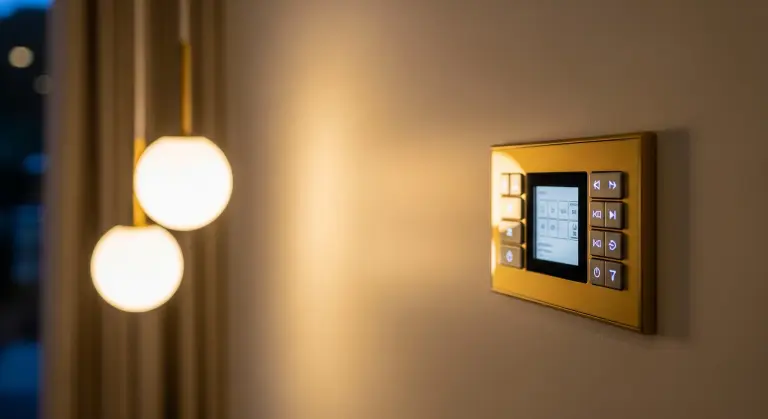
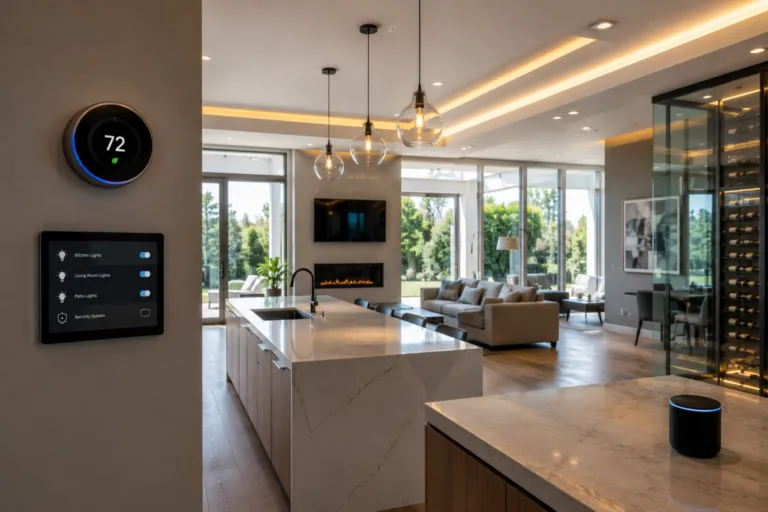
At its core, a smart lighting system uses connected technology — like apps, voice commands, and automation — to control when and how lights operate throughout your home. These systems allow you to schedule lights, adjust brightness, create moods (or “scenes”), and even turn off every light in the house from your phone.
Popular Features Include:
- Voice control via Alexa, Google Assistant, or Siri
- Motion-sensing lights that activate only when needed
- Sunrise/sunset scheduling
- Dimming and scene presets for different activities
- Remote access while away from home
Smart lighting systems bring convenience, style, and energy efficiency into one seamless package.
Why It’s a Great Fit for Corona Del Mar Homes
Corona Del Mar homes are high-value assets. Whether you own a bluff-top estate or a beach-close bungalow, integrating smart features adds both flair and function.
Benefits for Local Homeowners:
- Maximize natural light: With all that sunshine, use daylight sensors to dim artificial lights automatically.
- Security boost: Program lights to mimic occupancy when you’re traveling.
- Luxury living: Set romantic, relaxing, or energizing scenes with one tap or voice command.
- Energy savings: Smart lights reduce waste, especially in large or multi-level homes.
Smart lighting elevates a home’s design while silently saving money in the background — it’s form and function working in perfect sync.
Cost vs. Value Breakdown
Smart lighting doesn’t have to break the bank, but it should be seen as an investment.
Cost Factors:
| Feature | Approx. Cost |
| Smart switch (single) | $50–$150 |
| Smart dimmer installation | $100–$200/room |
| Whole-home system | $2,000–$6,000 |
| Integration with other smart devices | Varies (bundled with HVAC, shades, security) |
When compared to larger renovations like kitchen remodels or solar installation, smart lighting is one of the most affordable upgrades — but with noticeable ROI.
Value Drivers:
- Lower electricity bills (automated off-cycles, LED dimming)
- Reduced maintenance (longer bulb life)
- Increased property appeal (buyers expect smart tech in luxury homes)
- Better living experience (comfort, ambiance, peace of mind)
How to Decide If It’s Worth It
Smart lighting is worth it if:
- You value convenience and lifestyle upgrades
- You plan to sell or rent in the next 1–5 years
- Your home is larger than 2,000 sq ft or has multiple zones or levels
- You’re already using or planning other smart systems (like thermostats or security)
It may not be for you if your home is already fully automated — or if you’re planning a complete tear-down soon and waiting for a full rebuild.
For a deeper breakdown of lighting automation setups, check our Ultimate Guide to Lighting Control Systems in Corona Del Mar.
Internal Investment Tie-Ins
If you’re renovating or preparing to sell, a smart lighting upgrade fits perfectly into a broader strategy. Learn how it impacts overall property desirability in our latest Newport Beach luxury real estate report.
Want to find out which homes in your area already have smart features installed? Explore investments by city to see how you stack up.
Calculating the ROI of a Smart Lighting Upgrade
Smart lighting upgrades don’t just look good; they offer measurable returns. Here’s a quick way to evaluate your investment:
ROI (%) = (Estimated Annual Savings + Home Value Increase – Installation Costs) / Total Investment x 100
Example:
- Estimated annual savings (energy bills): $250
- Added home value: $1,500
- Installation and devices: $1,200
- ROI = ($250 + $1,500 – $1,200) / $1,200 x 100 ≈ 46%
When you run your own numbers, include more than devices and installation: integration with security and automation systems, ongoing maintenance or firmware updates, and any potential rebates or energy incentives from local utilities.
Features Worth Paying For (and What You Can Skip)
Not all smart lighting is created equal. Focus on what you’ll actually use.
Must-Have Features
- App and voice control (Alexa, Google Assistant, or Apple HomeKit)
- Dimming and color temperature control
- Scene creation (e.g., “Dinner,” “Relax,” “Wake Up”)
- Scheduling, automation, and energy monitoring
- Outdoor smart lighting integration
Nice-to-Have Extras
- Motion sensors in hallways, garages, staircases, or entry points
- Color-changing bulbs for game rooms or pools (fun, but not necessary in every room)
- Occupancy vs. vacancy modes, a plus for energy-conscious homeowners
Usually Overkill
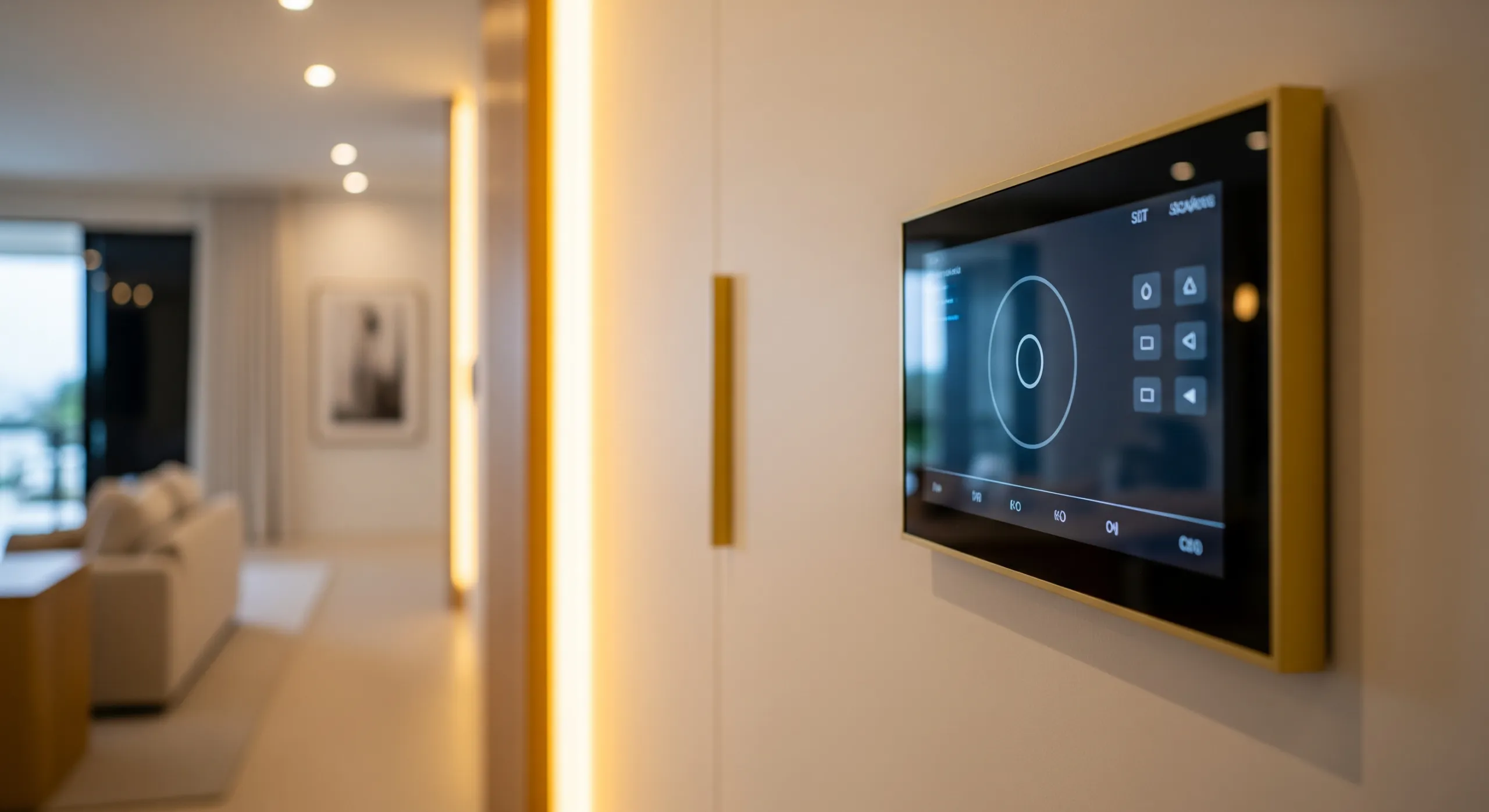
- Ultra-high-end touch panels with proprietary systems (expensive and harder to scale)
- Entire-home rewiring when wireless systems could suffice
- Rarely used color zones or ultra-custom touch panels in every room
Whatever you choose, make sure the system works with your existing wiring and smart home platform, matches your home’s interior and exterior style, and can expand as you add features later.
Comparing Popular Smart Lighting Systems
Lutron Caséta Wireless
Ideal for whole-home control with classic wall switches. It’s reliable, integrates with top platforms, and doesn’t require neutral wires, which makes it great for remodels and older coastal homes with wiring quirks. It pairs with Serena Shades, Sonos, and Ring. Cost: premium, but scalable.
Philips Hue + Hue Bridge
Ideal for customizable lighting scenes and color. Gorgeous dimming and color-tunable bulbs work well in living rooms, art lighting, and bedrooms, and the system suits minimal-rewiring or DIY-friendly upgrades. Cost: affordable for most rooms, with a luxury feel.
Lutron RA2 Select or RA3
Built for larger estates and professionally designed homes with integrated AV and shade systems. It’s a pro-level install with deep customization. Cost: the top tier, best for whole-home installations with long-term ROI.
Govee or TP-Link Kasa
Budget-friendly and app-controlled, good for DIY upgrades, second homes, guest suites, or outdoor lighting without heavy investment. Limited, but useful.
A note on hubs: Hue and Lutron Caséta require a bridge or hub for full functionality, while TP-Link Kasa works over Wi-Fi. Lutron systems also work with Alexa, Google Home, Apple HomeKit, Nest thermostats, Ring security systems, and automated window shades, and their energy-efficient controls are California Code compliant.
What to Check Before You Buy
Your Property’s Wiring
Older homes or remodels may lack neutral wires. Systems like Lutron Caséta work better here without needing rewiring.
Your Lifestyle
Do you entertain often? Automate ambient scenes. Travel frequently? Set up remote access and smart security lighting.
Your Installation Method
Some systems are DIY, others require licensed installers. If you’re renovating or buying new construction in Corona Del Mar, opt for a professional setup that adds resale appeal.
Where Homeowners Overspend
- Over-customizing low-use rooms: Skip $200 fixtures in guest bathrooms; closets don’t need $300 smart bulbs.
- Choosing niche brands with limited integrations: Stick with trusted, scalable ecosystems like Lutron or Hue.
- Ignoring compatibility: Make sure your lighting syncs with your broader smart home system.
- Unnecessary full rewires: Choose systems that work with your existing wiring.
- Not comparing vendors: Some installers in high-end zip codes mark up systems by 40%+, and prices vary widely between installers in Anaheim and coastal cities. Get multiple quotes.
Budgeting for Larger Luxury Homes
Bigger homes and more customized systems push costs higher. Lutron installations range from $1,500 to $10,000+ depending on home size and customization; for a 3,000 sq ft home in Corona Del Mar, expect a mid-range setup to cost about $5,000 installed. A mid-size luxury home typically runs $3,000–$10,000+, and homes with many zones can reach $15,000 or more. Full-home systems with automation, scene control, and integration into broader smart-home platforms can exceed $20,000, and a full Lutron RA3 install can exceed $25,000 in larger homes.
Most installations take 1–3 days depending on complexity. Because these systems use minimal energy, they also work well in solar-powered homes or homes with battery backup.
Outdoor Smart Lighting for Coastal Homes
Outdoor living is a major part of the Corona Del Mar lifestyle, so exterior lighting deserves its own plan.
- Landscape lighting highlights gardens, pathways, and architectural features while improving nighttime visibility.
- Patio and deck lighting can shift from bright task lighting during meals to softer ambient lighting for evening relaxation.
- Security lighting that is motion-activated around entryways and garages adds another layer of protection, and exterior lights can be integrated with security cameras.
In ocean-adjacent homes, choose weatherproof-rated fixtures and make sure your system accounts for humidity and salt air exposure. Many homeowners tie indoor and outdoor lights together with lighting automation systems that schedule lighting around daily routines, sunset times, or occupancy patterns.
Lighting Design Tips for Luxury Interiors
- Layer your lighting: Combine ambient, accent, and task lighting to create a visually balanced space.
- Use warm tones in living spaces: Warm lighting creates a comfortable, inviting feel in living rooms, dining areas, and bedrooms.
- Highlight architectural features: Accent vaulted ceilings, artwork, or textured walls.
- Integrate with home automation: Lighting performs best alongside climate control, security systems, and motorized window shades.
- Build scenes around real routines: Warm accent lighting for a dinner party, dimmed overhead lights for movie night, wake-up lighting that gradually brightens in the morning, and nighttime safety lighting for hallways and stairs.
Using Smart Lighting to Sell Your Home
For sellers and house flippers, smart lighting is a high-impact, mid-cost upgrade that photographs beautifully and demonstrates attention to detail. A 2022 study by Coldwell Banker showed 77% of luxury homebuyers expect smart home features, and according to Remodeling Magazine, smart lighting can improve resale value by up to 3–5% when paired with other upgrades. “Smart lighting system throughout” also becomes a highlight in MLS descriptions.
- Audit the property lighting. Walk the home like a buyer would. Where is lighting too harsh, dim, or outdated? Where could ambiance, safety, or automation improve the experience?
- Upgrade with intention. Start with key zones: entryways and great rooms for first impressions, kitchens for task lighting, primary bedrooms for ambiance and automation, and outdoor spaces.
- Keep it simple. Use popular, easy-to-use platforms buyers recognize and trust. Avoid overly complex setups that may intimidate non-tech buyers.
- Stage it to show it. During open houses, show how lighting responds to voice commands, motion, or scheduled scenes.
- Market the benefits. Highlight features like “energy-efficient smart lighting,” “automated landscape lighting,” or “voice-controlled ambiance throughout.” Sell the experience, not just the tech.
Install it before listing rather than calling the home “smart-light ready.” Demonstrable features have far more impact than hypotheticals, and buyers don’t want to DIY smart features; built-in or hardwired systems feel permanent. If night showings are possible, make exterior lighting the star: curb appeal at dusk sells when pathways, landscaping, and facades are bathed in soft, smart light.
Circadian Lighting: The Wellness Upgrade
Circadian lighting systems adjust color temperature and brightness to match the body’s natural biological clock. Warm amber tones in the evening simulate sunset, while bright blue-toned light in the morning mimics daylight to regulate melatonin levels.
According to the American Medical Association, disrupting circadian rhythms can negatively impact sleep and overall health. Properly tuned lighting, on the other hand, improves cognitive performance, reduces stress, and promotes better rest. Platforms like Lutron and Ketra make circadian lighting easy to control via smartphone or voice assistant, and retrofit solutions are available for older homes, especially those undergoing renovations.
For sellers, it’s a strategic upgrade: homes with wellness features, including lighting systems, are selling faster and at premium prices in high-end markets like Orange County.
Key Takeaways
- A smart lighting system in Corona Del Mar is more than a tech trend — it’s a lifestyle and property value upgrade.
- It’s affordable compared to most luxury upgrades, with meaningful savings and convenience baked in.
- Smart homes are no longer rare — they’re expected, especially in high-value areas.
- The ROI isn’t just financial — it’s about quality of life, safety, and future-proofing your property.
Want to know which homes in Corona Del Mar offer the best value for smart lighting upgrades? Visit Invest by Ali or dive into our neighborhood investment breakdowns to explore more.
FAQs
How much does a smart lighting system cost for a typical Corona Del Mar home?
Most systems range from $2,000 to $6,000 depending on size, fixtures, and whether you’re retrofitting or building new.
Can I install a smart lighting system myself?
Some homeowners go the DIY route with smart bulbs or switches, but for whole-home systems or luxury installations, professional help is recommended.
Will smart lighting increase my home’s value?
Yes — especially in a tech-savvy, high-demand area like Corona Del Mar. Buyers love plug-and-play features.
Does it work with existing fixtures?
Often, yes. Many systems are designed to work with standard lighting — you’re just upgrading how they’re controlled.
Can I add smart lighting to a rental property?
Definitely. It’s a cost-effective upgrade that appeals to high-end renters and helps your property stand out in listings.