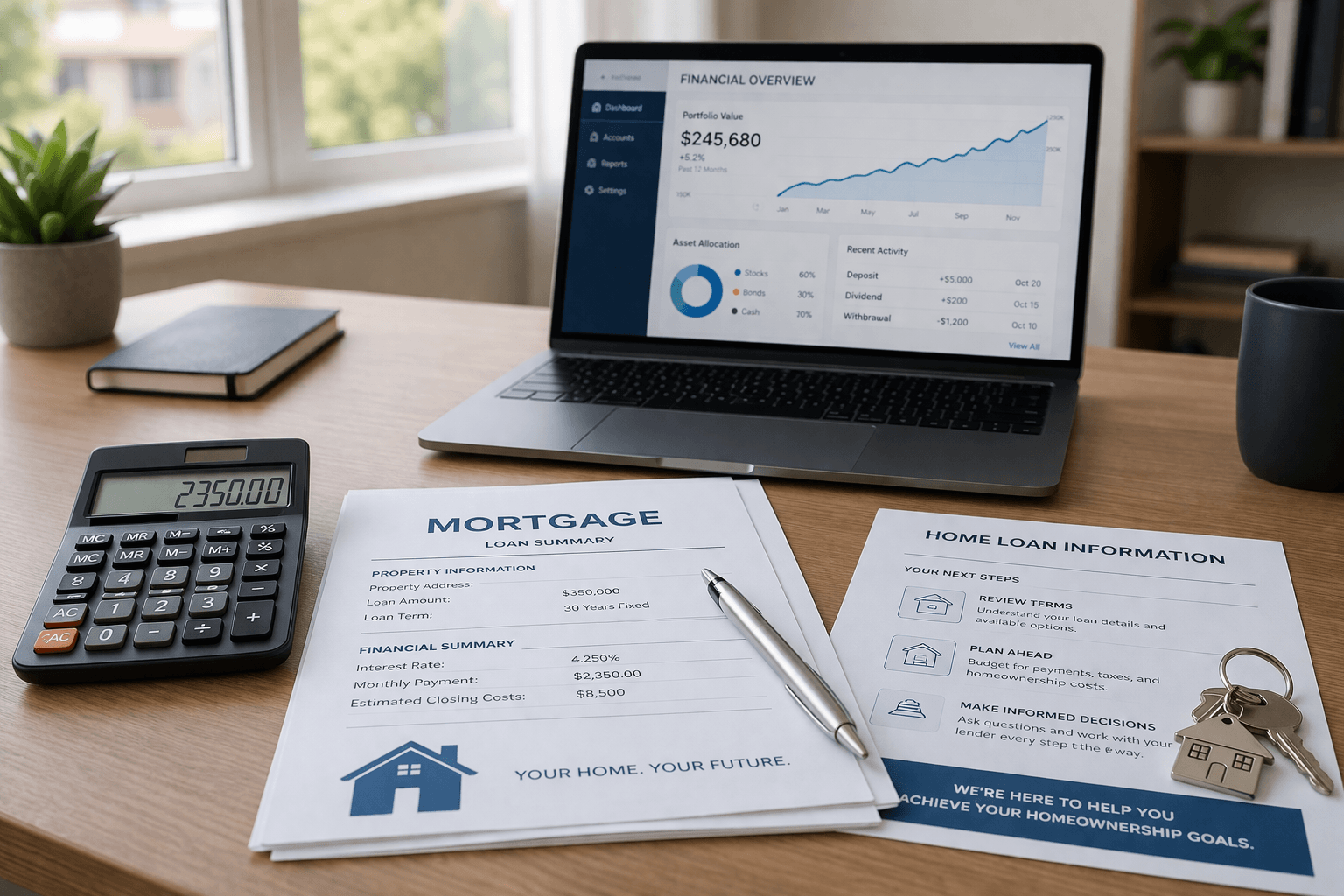
Mortgage interest rates can change daily—and sometimes even multiple times in a single day. A small increase in your interest rate may not seem significant at first, but over the life of a 30-year mortgage, it could add thousands of dollars to your total borrowing costs.
That’s why understanding a mortgage rate lock is such an important part of the home-buying process. Locking your rate can provide financial certainty and protect you from unexpected market changes while your loan moves toward closing. However, locking too early or waiting too long may have financial consequences depending on how interest rates move.
Knowing when to lock your mortgage rate isn’t about predicting the market perfectly. It’s about understanding your timeline, your risk tolerance, and the current lending environment so you can make an informed decision.
Ali Shariat helps buyers understand every stage of the mortgage process so they can make confident financing decisions that align with their long-term homeownership goals.
- TLDR – Quick Guide
- What Is a Mortgage Rate Lock?
- Why Mortgage Rates Change
- When Does It Make Sense to Lock Your Rate?
- When Waiting Might Make Sense
- How Your Closing Timeline Affects Your Rate Lock
- Can You Change Your Rate After Locking?
- Common Mistakes Buyers Make
- Questions to Ask Your Lender Before Locking
- Making the Right Decision for Your Situation
- Key Takeaways
- FAQs
TLDR – Quick Guide
- A mortgage rate lock protects your interest rate for a specific period.
- Most rate locks last between 30 and 60 days.
- Locking protects buyers if interest rates increase before closing.
- Waiting may be beneficial if rates are expected to decline, but there’s no guarantee.
- Your closing timeline should influence when you lock.
- Discuss rate lock options with your lender before making a decision.
What Is a Mortgage Rate Lock?
A mortgage rate lock is an agreement between you and your lender that guarantees a specific interest rate for a predetermined period while your loan is being processed.
Once your rate is locked, it generally won’t increase during the lock period, even if market interest rates rise before closing.
Common lock periods include:
- 30 days
- 45 days
- 60 days
- 90 days (less common)
- Extended locks for new construction
The purpose of a rate lock is simple: provide predictability during one of the largest financial transactions you’ll ever make.
Instead of worrying about daily market fluctuations, buyers can focus on completing inspections, finalizing paperwork, and preparing for closing.
Why Mortgage Rates Change
Mortgage rates move because of several economic factors.
Some of the biggest influences include:
- Inflation
- Federal Reserve policy
- Employment reports
- Economic growth
- Bond market performance
- Global financial events
These factors are largely outside a buyer’s control.
Because rates can move unexpectedly, trying to perfectly predict the market is extremely difficult—even for experienced financial professionals.
Rather than attempting to “time the market,” buyers should focus on securing a mortgage that fits comfortably within their budget.
When Does It Make Sense to Lock Your Rate?
The ideal time to lock depends on several factors rather than one specific rule.
You’re Under Contract
For most buyers, locking after a purchase agreement has been accepted is the most common approach.
At this point:
- The purchase price is established.
- The closing timeline is clearer.
- The lender can begin finalizing the loan.
Since closing dates are generally known, buyers can choose a lock period that extends through the expected closing.
Rates Are Rising
If interest rates have been increasing steadily, locking sooner may help protect your monthly payment.
Even a modest increase in interest rates can affect:
- Monthly mortgage payments
- Total interest paid
- Overall affordability
Protecting today’s rate may provide peace of mind if market conditions remain uncertain.
You’re Comfortable With the Payment
One of the best times to lock is when you’re satisfied with the loan terms.
Trying to capture the absolute lowest possible rate often introduces unnecessary risk.
If the current payment fits comfortably within your financial plan, locking may be the prudent decision.
When Waiting Might Make Sense
There are situations where buyers choose to delay locking their rate.
Examples include:
- Market expectations suggest declining rates.
- Closing is still several months away.
- The lender recommends waiting based on timing.
However, it’s important to remember that mortgage rates are impossible to predict with certainty.
Waiting creates the possibility of securing a lower rate—but it also creates the risk of higher borrowing costs if rates increase.
Buyers should only delay locking if they’re comfortable accepting that uncertainty.
How Your Closing Timeline Affects Your Rate Lock
One of the most important factors is your expected closing date.
For example:
- If closing is expected in 30 days, a 30-day lock may be appropriate.
- If delays are possible, a longer lock period may provide additional flexibility.
Locking for too short a period may require an extension if closing is delayed.
Locking for much longer than necessary may result in additional fees depending on the lender.
Understanding your transaction timeline helps you choose the appropriate lock period.
Can You Change Your Rate After Locking?
In most cases, a standard rate lock guarantees your interest rate through the lock period.
However, some lenders offer:
- Float-down options
- Lock extensions
- Rate renegotiation programs
A float-down option allows buyers to benefit if market rates decrease after locking, although specific rules and fees vary by lender.
Before locking your rate, ask your lender:
- Is a float-down available?
- Are there extension fees?
- What happens if closing is delayed?
- Can the rate be adjusted if the market changes?
Understanding these options helps buyers avoid surprises later.
Common Mistakes Buyers Make
Many buyers unintentionally make financing decisions that complicate the mortgage process.
Some of the most common mistakes include:
Waiting Too Long
Trying to predict the perfect rate often results in missed opportunities if rates increase unexpectedly.
Ignoring the Closing Timeline
Lock periods should align with your expected closing date.
Choosing the wrong lock length can create unnecessary stress or additional costs.
Focusing Only on Interest Rate
The interest rate is important, but buyers should also compare:
- Loan fees
- Closing costs
- APR
- Lender service
- Overall loan structure
The lowest advertised rate isn’t always the best overall mortgage.
Questions to Ask Your Lender Before Locking
Before committing to a rate lock, ask questions such as:
- How long is the lock period?
- Are there extension fees?
- Is a float-down option available?
- What happens if closing is delayed?
- Are there additional costs for locking today?
Clear communication helps buyers understand exactly what they’re agreeing to before signing loan documents.
For more educational articles about mortgages, financing, and homeownership, visit our Resources page.
Making the Right Decision for Your Situation
There is no universally perfect time to lock a mortgage rate.
The right decision depends on:
- Your financial comfort level
- Current market conditions
- Your expected closing date
- Your tolerance for risk
Rather than trying to predict every market movement, focus on securing financing that supports your long-term financial goals.
To learn more about how we help buyers navigate the mortgage and home-buying process, visit our About Us page.
If you’re preparing to purchase a home and have questions about mortgage financing or interest rates, contact our team for personalized guidance.
Key Takeaways
- A mortgage rate lock protects your interest rate for a specified period before closing.
- Most buyers lock their rate after their purchase agreement is accepted.
- Rising interest rates often make locking sooner a smart financial decision.
- Waiting may result in a lower rate, but it also carries risk.
- Choosing the right lock period depends largely on your expected closing timeline.
- Buyers should compare the entire loan package—not just the interest rate—before making a final decision.
FAQs
What is a mortgage rate lock?
A mortgage rate lock is an agreement with your lender that guarantees a specific interest rate for a set period while your loan is being processed. This protects you from market rate increases before closing, provided your loan closes within the lock period. It gives buyers greater certainty when budgeting for their monthly mortgage payment.
When should I lock my mortgage rate?
Most buyers choose to lock their mortgage rate after their offer has been accepted and they have a projected closing date. This timing allows the lock period to align with the expected completion of the transaction. The best decision ultimately depends on market conditions, your lender’s recommendations, and your personal comfort with potential rate changes.
How long does a mortgage rate lock last?
The most common mortgage rate lock periods are 30, 45, and 60 days, although longer options may be available for certain transactions such as new construction homes. The ideal length depends on how long your loan is expected to take before closing. Choosing the appropriate lock period helps reduce the risk of needing an extension.
Can I get a lower rate if interest rates fall after I lock?
Possibly. Some lenders offer a float-down option that allows borrowers to take advantage of lower rates after locking, although eligibility requirements and fees vary. If this feature is important to you, ask your lender about it before committing to a rate lock so you understand your available options.
Should I wait for mortgage rates to go down?
Trying to predict future mortgage rates is difficult because they are influenced by many economic factors beyond anyone’s control. Waiting may result in a lower rate, but it could also lead to higher borrowing costs if rates increase. Buyers should base their decision on affordability, closing timelines, and long-term financial goals rather than attempting to time the market perfectly.