Buying a luxury home isn’t just a bigger version of a typical real estate purchase—it’s a completely different game. Higher price points, unique properties, and a more selective market mean the stakes are significantly higher.
And here’s the truth: luxury home buying mistakes are often more expensive—and harder to recover from.
From overpaying for prestige to overlooking long-term value, even experienced buyers can make critical errors. The key is knowing what to watch for before you commit.
Jump to:
TLDR – Quick Guide
- Luxury real estate requires a different strategy than standard home buying
- Emotional decisions can lead to overpaying
- Location and long-term value matter more than aesthetics
- Due diligence is even more critical at higher price points
- Understanding local luxury markets is key — explore areas like Newport Coast luxury neighborhoods
Why Luxury Real Estate Is Different
Luxury homes are not just about size—they’re about:
- Location prestige
- Architectural uniqueness
- Lifestyle experience
- Scarcity
Because of this, pricing isn’t always straightforward. Two similar homes can vary widely in value depending on location, design, and demand.
That’s why mistakes in this segment tend to be more costly.
The Most Common Luxury Home Buying Mistakes
1. Letting Emotion Drive the Decision
Luxury homes are designed to impress—and they often do.
But emotional buying can lead to:
- Overpaying in competitive markets
- Ignoring property flaws
- Rushing decisions without proper analysis
Smart buyers appreciate the lifestyle—but evaluate the investment objectively.
2. Overlooking Location Fundamentals
In luxury real estate, location still rules everything.
Even a stunning home can underperform if it’s in a weaker area.
Buyers should evaluate:
- Neighborhood reputation
- Future development plans
- Proximity to amenities and lifestyle hubs
Emerging areas—like those highlighted in where Santa Ana luxury homes are emerging—can offer strong upside if chosen carefully.
3. Focusing Only on Aesthetics
A beautifully designed home doesn’t always equal a good investment.
Buyers often prioritize:
- Interior finishes
- Design trends
- Visual appeal
But overlook:
- Floor plan functionality
- Structural quality
- Long-term maintenance costs
Luxury should look good—but also perform well over time.
4. Ignoring Resale Value
Even if you plan to stay long-term, resale value matters.
Ask yourself:
- Will this home appeal to future buyers?
- Is the layout practical or overly customized?
- Is the location consistently desirable?
Highly personalized homes can be harder to sell later.
5. Underestimating True Ownership Costs
Luxury homes come with higher ongoing expenses, including:
- Property taxes
- Maintenance and repairs
- Landscaping and outdoor upkeep
- Insurance
These costs can significantly impact long-term affordability if not planned for properly.
6. Skipping Thorough Due Diligence
At higher price points, due diligence becomes even more critical.
Buyers should:
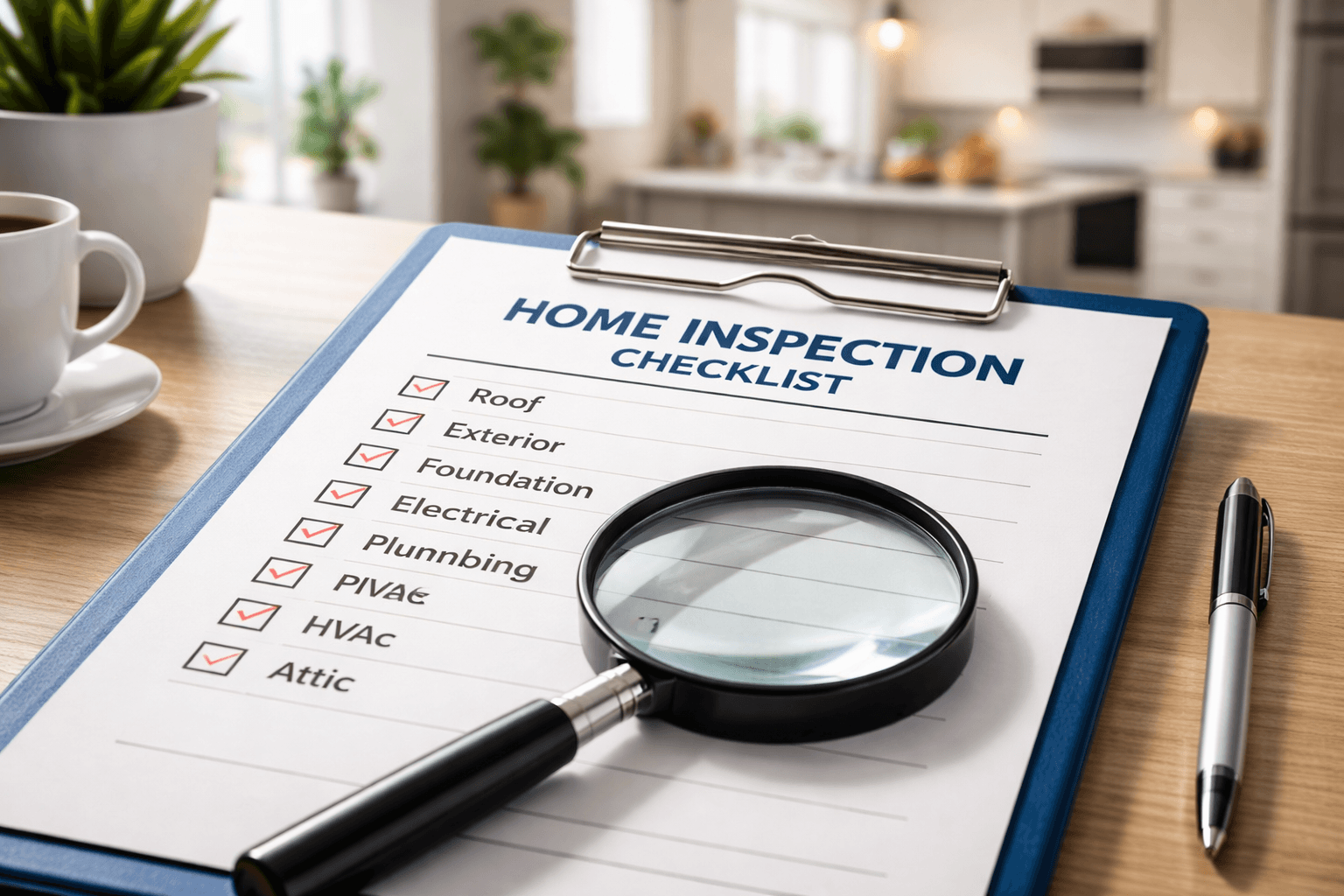
- Conduct detailed inspections
- Review permits and renovations
- Verify property history
Small oversights can turn into major financial issues.
7. Not Understanding the Local Luxury Market
Luxury markets are hyper-local and behave differently from standard housing markets.
For example:
- Coastal luxury markets may prioritize views and exclusivity
- Urban luxury markets may focus on location and accessibility
Understanding these dynamics is key to making a smart purchase.
How to Avoid These Mistakes
Work With Luxury Market Experts
High-end real estate requires specialized knowledge. The right team can help you:
- Evaluate true property value
- Identify risks
- Negotiate effectively
Think Long-Term
Luxury homes should be evaluated as both:
- A lifestyle purchase
- A long-term investment
Balancing both perspectives leads to better decisions.
Analyze Before You Fall in Love
It’s okay to love a property—but analyze it first.
Look at:
- Comparable sales
- Market trends
- Long-term demand
Then decide if it truly makes sense.
Prioritize Location Over Features
Features can be upgraded. Location cannot.
A well-located property will almost always outperform a better-designed home in a weaker area.
Key Takeaways
- Luxury home buying mistakes can be costly but are avoidable with the right strategy.
- Emotional decisions and poor location choices are the most common pitfalls.
- Buyers should focus on long-term value, not just aesthetics or prestige.
- Due diligence is critical in high-end real estate transactions.
- Understanding local luxury markets gives buyers a significant advantage.
FAQs
What is the biggest mistake luxury home buyers make?
Letting emotion drive the purchase instead of focusing on value, location, and long-term investment potential.
Are luxury homes harder to resell?
They can be, especially if they are highly customized or located in less desirable areas.
Should I prioritize design or location?
Location should always come first. Design can be changed, but location cannot.
Do luxury homes require more maintenance?
Yes. Larger properties and premium features often come with higher maintenance costs.
Is buying a luxury home a good investment?
It can be, especially in strong markets, but success depends on location, timing, and property selection.