
Orange County,sold by Ali.
900Gainsborough
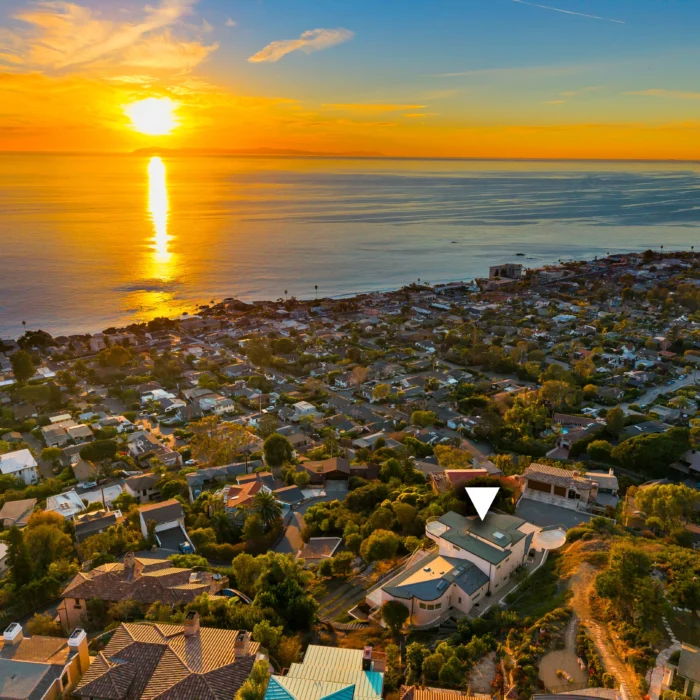
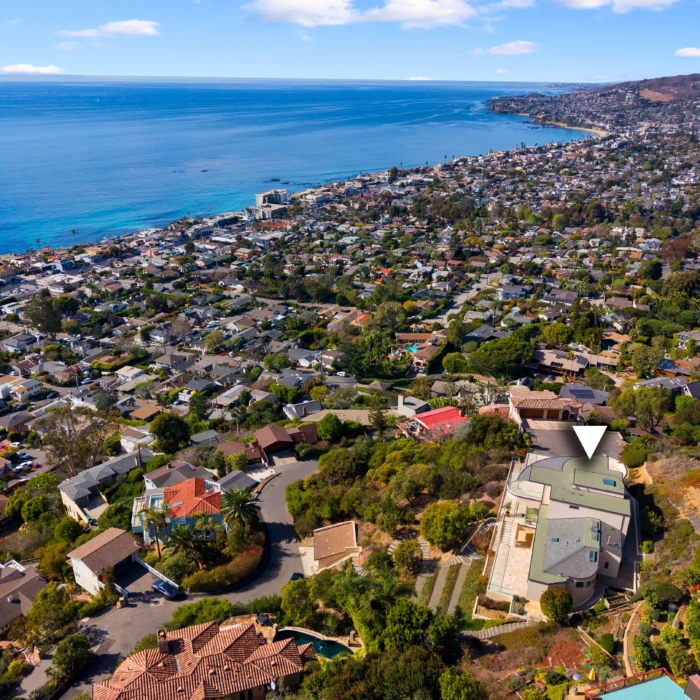
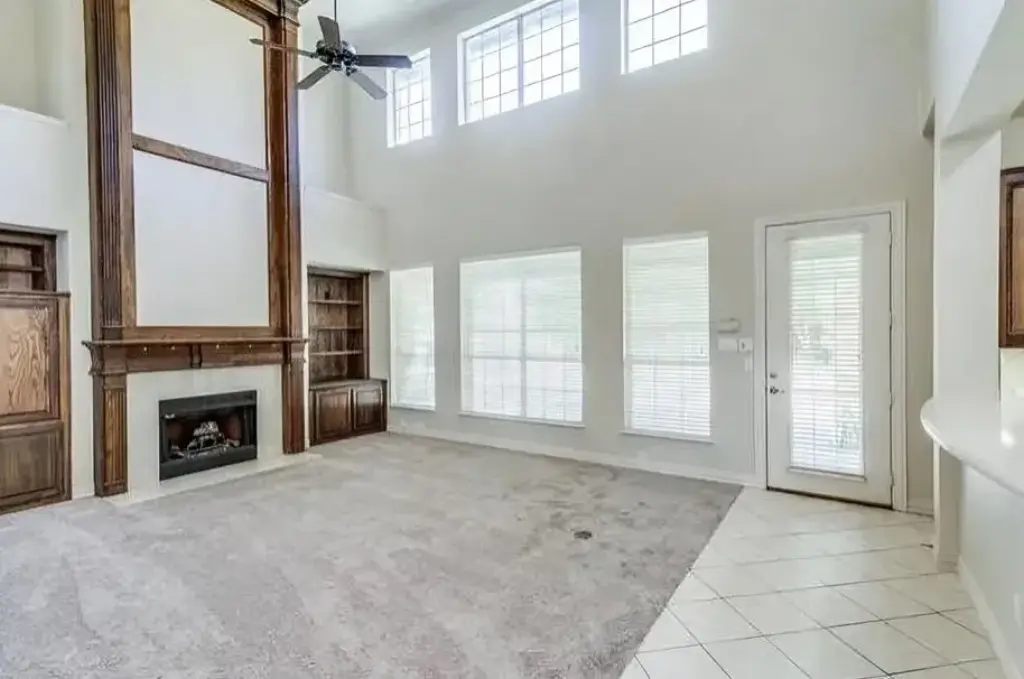
Off-market luxury ocean view estate. Represented by Ali and sold May 2026.
- $7,900,000Sold
- 4 / 5Beds / baths
- 4,069Sq ft





Agent and
lender.
With over 14 years of experience, Ali Shariat is a trusted real estate and mortgage expert specializing in buying, selling, investing, loans, and refinancing. His strong negotiation skills and client-first approach ensure seamless transactions and the best outcomes.
Whether you’re purchasing a home, selling, investing, securing a loan, or refinancing, Ali is committed to helping you achieve your real estate and financial goals.
Financing guidesFHA loansJumbo loansFirst-time buyer programs








After such a frustrating and disappointing experience with two previous agents, my daughter had almost completely given up on the idea of buying a home. From the very first day, he stood out with his honesty, patience, and genuine care.
I had an exceptional experience working with Ali throughout my mortgage process. He was incredibly knowledgeable, transparent, patient, and taking the time to explain every step.
From the first call I felt comfortable since it was like he was in our corner. After the first day he knew exactly what we were looking for, and within 2 months we found our perfect home.
Ali Shariat really knows his stuff, and I had an amazing experience working with him. He’s super ambitious, motivated, and really focused on helping me as a seller.
Ali's background in civil engineering, his market experience, and his dedication helped me to find the house that I had been looking for a long time.
One of the best deals I’ve ever made. Organized, detailed, patient, and always on time. I’m extremely happy with how everything turned out.
What's your home worth?
A free, no-obligation valuation from Ali.
Market insights

First-Time Home Buyer Programs in Orange County, CA (2026)
Orange County is one of the most expensive places in the country to buy a first home, but it also has more down payment help than most buyers realize. Between CalHFA, the county, three cities and…
Read more →
How Is Financing a Luxury Home in California Different From a Traditional Mortgage?
Buying a luxury home in California isn’t simply a traditional home purchase with an extra zero attached to the price. Higher property values can change…
Read more →
Should You Choose a Conventional or FHA Loan When Buying a Home?
Choosing a mortgage isn’t simply about finding the lowest advertised interest rate. The type of loan you select can affect your down payment, mortgage insurance,…
Read more →